Home / Industry Solutions / Automotive Electronics / ADAS & Radar Sensing
ADAS & Radar Sensing: Bonding and Encapsulation
Optical Glue · Epoxy Potting · Anti-Vibration
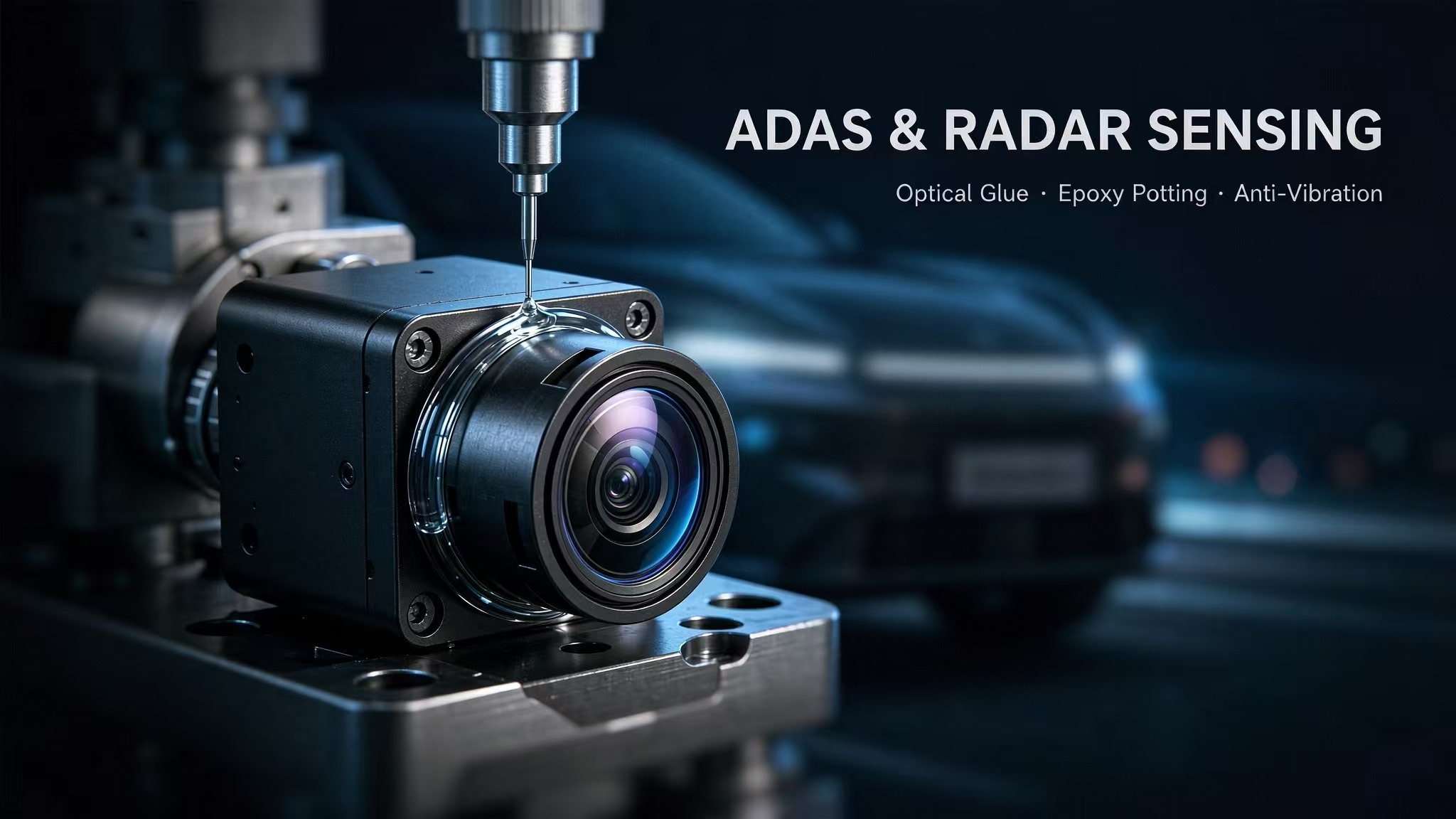
Advanced driver assistance systems (ADAS) use cameras and other sensors to collect information about the vehicle surroundings. The assembly process must preserve the relationship between sensitive components, their housings and the optical or sensing path. Precision dispensing, bonding and selected encapsulation processes should therefore be developed around both manufacturing repeatability and the functional requirements of the finished module.
Optical Glue and Camera-Module Alignment
In a camera assembly, adhesive can secure optical components after the required position has been established. Active alignment, where specified by the product design, adjusts the optical assembly using image feedback before fixation. Adhesive selection and cure must be considered alongside that alignment process.
Evaluate dispensing location, bond-line geometry, adhesive migration and dimensional change during curing. Keep material away from the optical aperture and sensitive surfaces. The project should define how alignment is maintained during fixation and how image performance is checked after curing and environmental exposure.
Epoxy Potting for Selected Electronics
Epoxy encapsulation may be considered where the assembly requires mechanical support or environmental protection. The formulation, fill region and cure schedule must suit the components and housing. More material does not necessarily provide a better result: it can also change stress, heat flow, weight and repairability.
Review flow paths, air entrapment and access to the area being filled. For multi-component materials, establish mixing and working-time controls. Sensitive optical features and serviceable interfaces should remain outside the encapsulation region unless the product design specifically calls for otherwise.
Anti-Vibration Starts With the Module Design
Adhesive reinforcement and encapsulation can contribute to a module’s mechanical design, but vibration performance depends on the complete assembly. Joint geometry, substrate preparation, material properties, mounting and curing all influence the result. The process should support the design rather than promise vibration resistance based on a dispensing pattern alone.
For camera modules, verify image quality and alignment after the agreed vibration and temperature tests. Radar modules need their own functional validation, including the effect of housing and material placement on the sensing path. A camera bonding recipe should not be transferred to radar hardware without an application-specific review.
From Development Samples to a Controlled Recipe
Begin with the module drawing, material specification and functional acceptance criteria. Define locating features and protected regions, then establish the dispensing path and cure sequence with representative parts. Review coverage and placement before committing to the intended cycle time.
A production-ready plan should connect material batch, dispensing recipe and cure conditions to the assembled part. Include checks after tool maintenance, material replacement and product changeover. When critical geometry or materials change, reassess the bonding process and the finished module’s functional performance.
What to Share With JCX
- Camera or radar module drawings, locating features and protected sensing regions
- Adhesive or potting data sheets and the specified cure process
- Alignment, image-quality or radar-function acceptance requirements
- Environmental-validation plan, cycle time and traceability requirements
Equipment to Evaluate
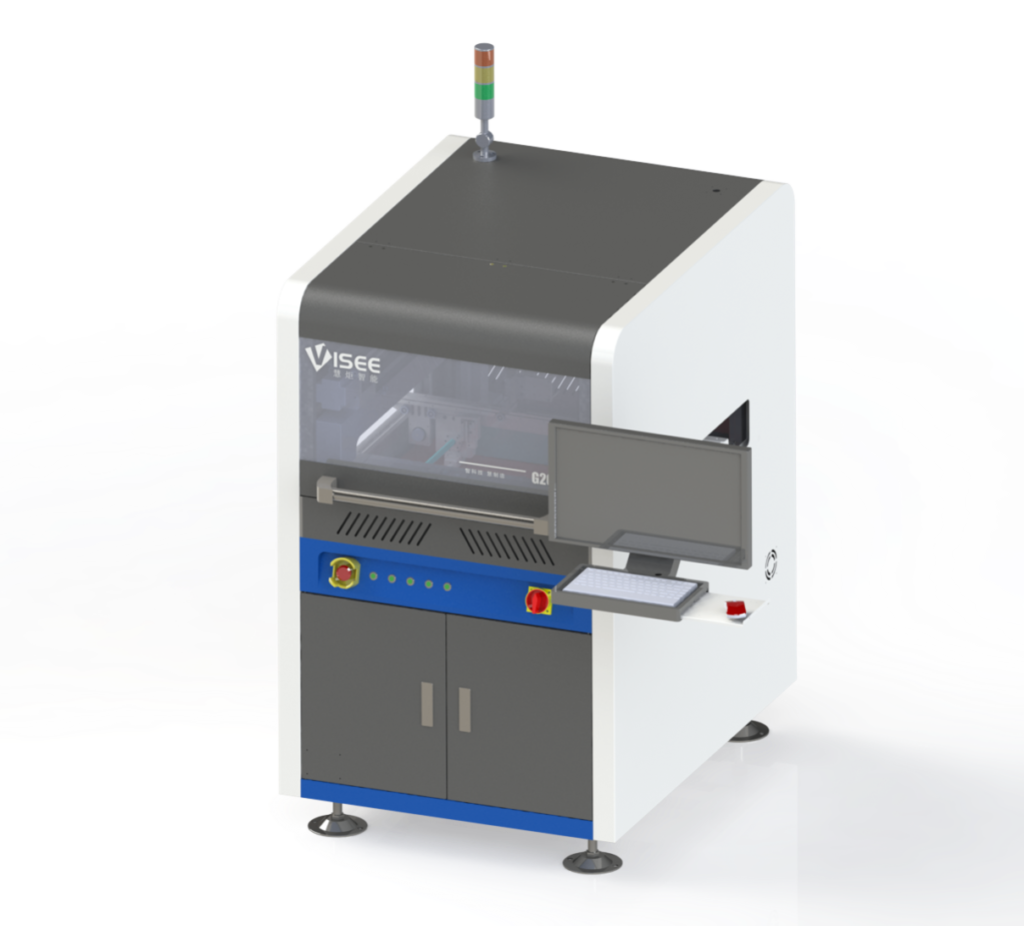
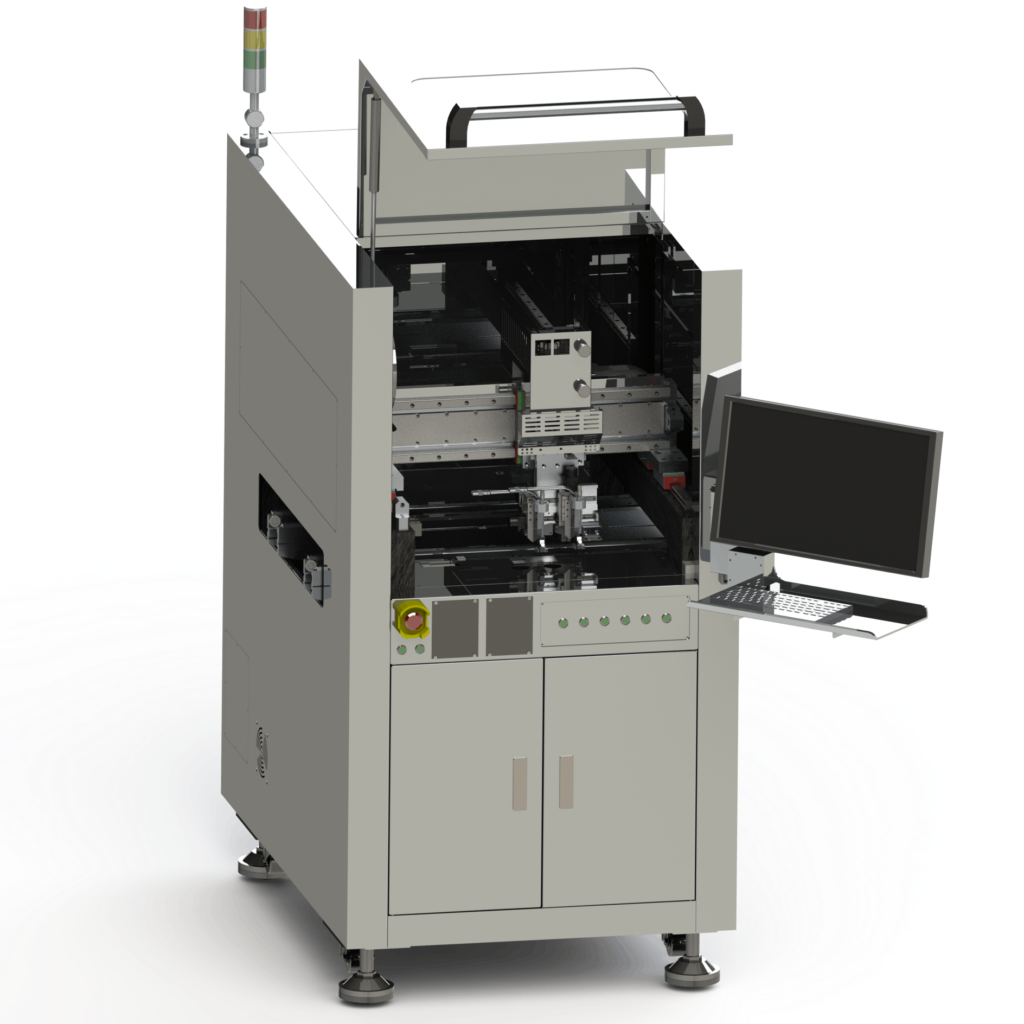
Use these configurations as starting points for an application review. Click a product card to read its specifications and options.
Confirm These Application Requirements
- Module drawings, optical keep-out areas and contamination limits.
- Adhesive chemistry, cure shrinkage, dispense location and access.
- Camera alignment, radar calibration and two-part potting capabilities must be specified separately; they are not implied by the dispensing model.
Plan Your Automotive Application
Share your drawings, materials and acceptance requirements with JCX. We can review the proposed process and equipment configuration around your application.