Home / Industry Solutions / Automotive Electronics / BMS & Power Control
BMS & Power Control: Dispensing and Protection
Thermal Silicone · Polyurethane · Quality Control
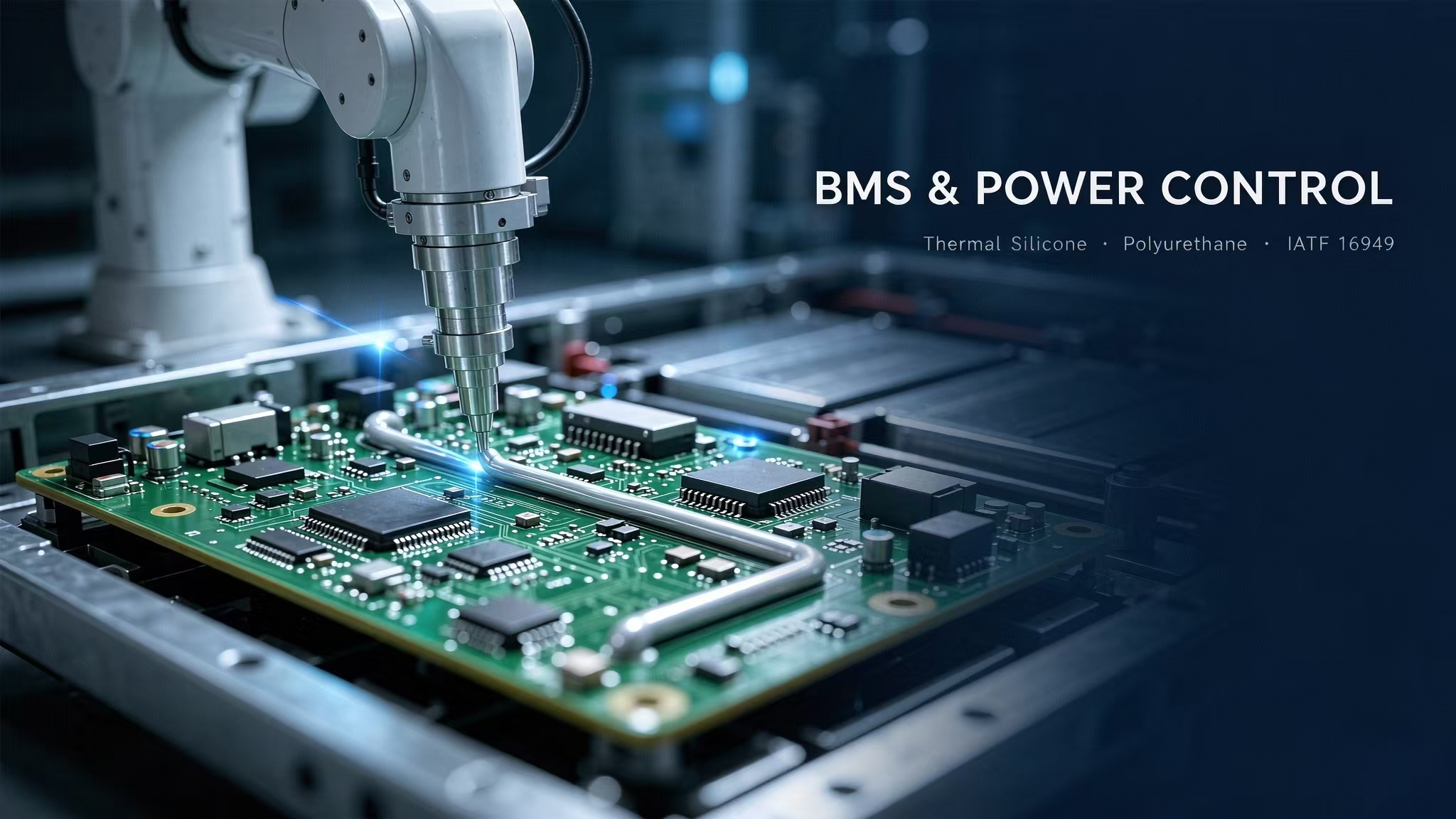
Battery management systems (BMS), power-control boards and related automotive modules rely on stable electronic assemblies. Their manufacturing processes must account for heat, electrical isolation, mechanical stress and the conditions inside the final enclosure. Dispensing and encapsulation can support these objectives when the material, equipment and curing process are developed together around the product design.
Thermal Silicone: Build a Consistent Heat-Transfer Path
Thermally conductive silicone materials are used in selected automotive electronics applications to transfer heat while accommodating the mechanical needs of the assembly. The appropriate formulation depends on the intended function, such as a gap filler, adhesive or encapsulant. These materials are not interchangeable simply because they share a silicone base.
Process development should define the dispensing pattern, deposited amount, assembled gap and curing conditions. Evaluate how the material spreads during assembly and whether air can escape. For filled materials, review handling, storage and equipment compatibility with the material supplier before setting production parameters.
Polyurethane: Select Protection Around the Assembly
Polyurethane systems can be considered for selected bonding or potting applications. Material selection should address adhesion, flexibility, electrical properties, environmental exposure and the expected operating-temperature range. The final choice must be checked against the component, housing and customer requirements.
For two-component systems, the manufacturing plan should control the mix ratio, mixing method, usable working time and cure. Moisture sensitivity and preparation requirements depend on the formulation. Trials should examine voids, fill coverage and stress on sensitive components rather than assuming that a visually complete fill is sufficient.
Dispensing Controls for Repeatable Production
Define where material is needed and where it must remain absent. Connectors, service points and ventilation features may require protected zones. Plan a fill sequence that works with the enclosure geometry, provides access for the dispensing tool and allows process inspection at the right stage.
A useful trial compares deposited mass or volume, pattern consistency, material condition and curing results across representative samples. Where the design calls for thermal or insulation performance, validate the completed assembly using the agreed product-level test method. Establish maintenance and changeover procedures before production release.
IATF 16949 in the Manufacturing Context
IATF 16949 concerns automotive quality management systems. It is not a material specification or an automatic guarantee of dispensing accuracy. The reference in the application image should be understood as a quality-management context, not a claim that JCX or a particular machine is certified.
For a project operating under automotive quality requirements, define the applicable customer requirements and the records needed for process approval. Material lot identification, recipe revision, equipment checks and change control can form part of that project-specific production plan. Confirm the scope of any required certification separately.
What to Share With JCX
- BMS or power-module drawings, housing geometry and thermal requirements
- Material technical data, mix ratio if applicable, and curing instructions
- Target fill regions, protected areas and acceptance-test methods
- Cycle time, material-lot tracking and customer quality-documentation needs
Equipment to Evaluate
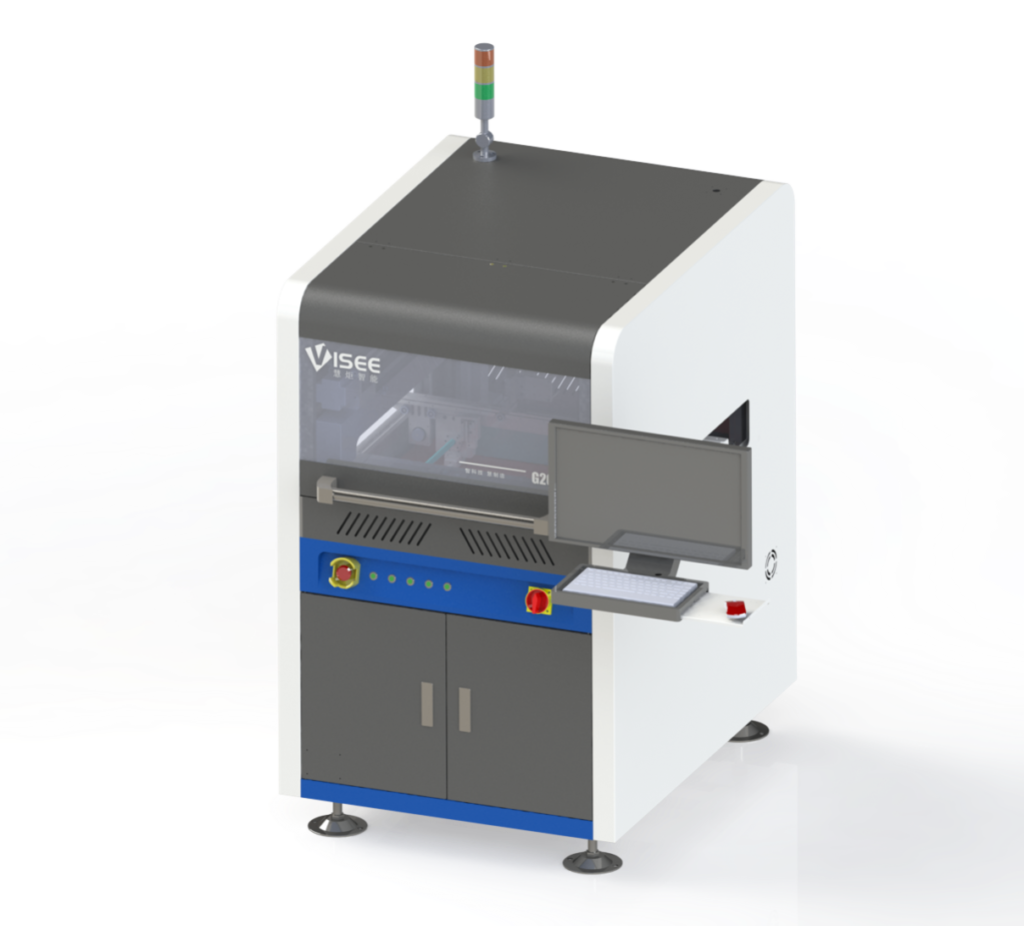
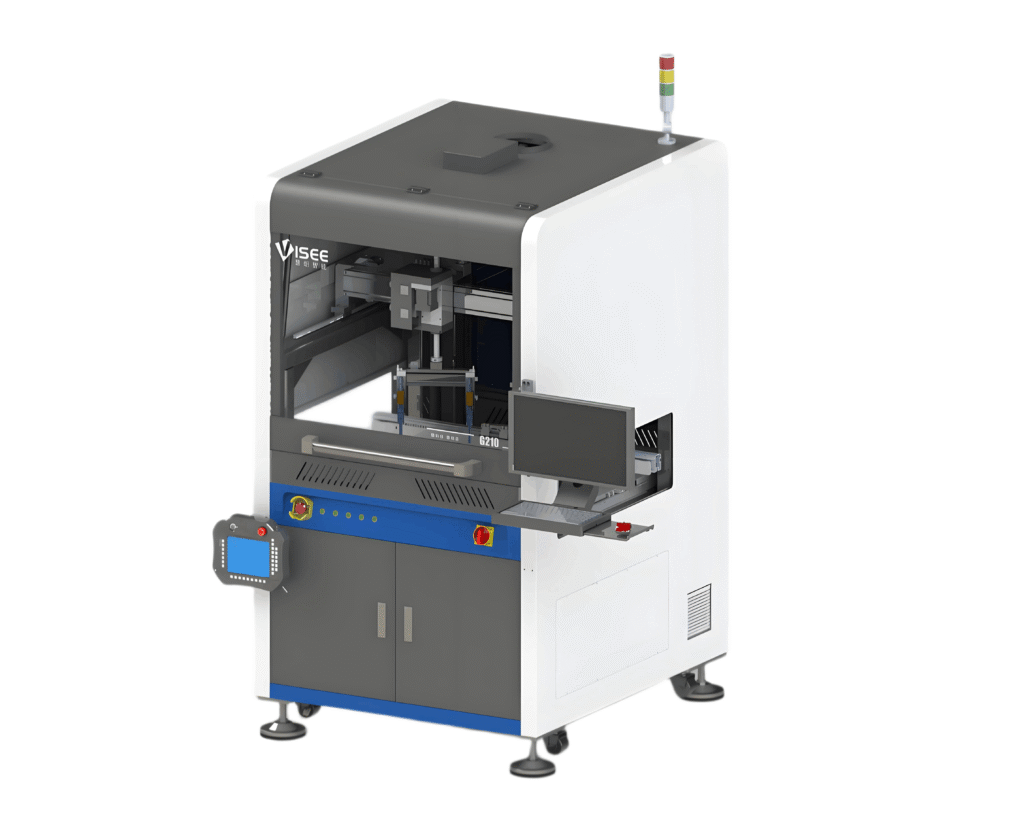
Use these configurations as starting points for an application review. Click a product card to read its specifications and options.
Confirm These Application Requirements
- Material data sheet, filler content, viscosity and one- or two-component processing requirements.
- Deposit geometry, thermal or insulation targets, board support and curing process.
- Use G201-F3 as a dispensing discussion starting point; use G210-F3 only for a separately qualified conformal-coating process.
Plan Your Automotive Application
Share your drawings, materials and acceptance requirements with JCX. We can review the proposed process and equipment configuration around your application.