Home / Industry Solutions / SMT / PCBA Electronics Manufacturing / Post-Reflow 3D AOI
Post-Reflow 3D AOI for Solder-Joint Quality
Height · Volume · Bridge / Offset · SPC
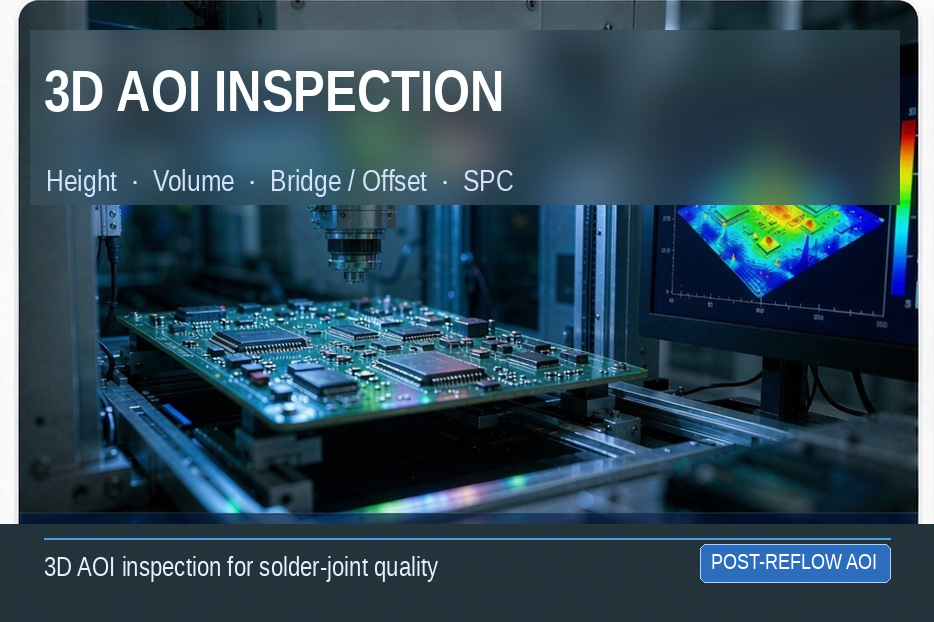
After reflow soldering, PCB assemblies need an inspection strategy that connects visible defects with measurable process information. Three-dimensional automated optical inspection adds surface-height data to image-based analysis of accessible components and solder joints. A well-developed inspection recipe helps teams identify deviations, review defect patterns and use production data to improve the assembly process.
Height and Volume: Define What Is Being Measured
Height mapping can support assessment of visible component and solder-joint geometry. Where the selected inspection system supports volumetric analysis, define the measurement region and reference plane before interpreting the result. Post-reflow joint measurements should not be confused with solder-paste inspection performed before component placement.
Measurement capability depends on optical access, component geometry and the selected hardware and algorithms. Reflective surfaces, shadows and tall parts may require special consideration. Validate repeatability on representative boards instead of assuming that every feature can be measured with the same confidence.
Review Bridges, Offset and Component Position
Inspection programs can combine image analysis and geometric measurements to evaluate accessible features associated with solder bridges, component offset and other assembly deviations. Establish acceptance rules for each component family and board design rather than relying on a single generic threshold.
Use representative acceptable and defective samples when validating the program. Track false calls and missed defects during the review process. Hidden BGA connections and obscured joints may need complementary methods, such as X-ray inspection or electrical tests; an optical inspection result alone does not verify every connection.
SPC Links Inspection to Process Improvement
Statistical process control (SPC) can help identify changes in measured features or defect patterns over time. Organize data by board revision, component, production batch and inspection program so that trends can be investigated in context. The aim is to guide a useful engineering response rather than generate alarms without ownership.
When a trend changes, review the relevant upstream operations and the inspection recipe itself. Document the corrective action and verify its effect using subsequent production data. Keep recipe revisions visible so that a changed acceptance limit is not mistaken for an improvement in assembly quality.
Build Traceability Into the Inspection Route
Associate each inspection result with a board identifier, timestamp and program revision. Agree which images, measurement records and review decisions need to be retained. Repair and reinspection should preserve the relationship to the original result and the final disposition.
Before line release, check cycle time, review workload and handling of failed or unreadable board identifiers. Establish a controlled process for updates after component changes or PCB revisions. This helps maintain consistent inspection decisions while the production mix evolves.
What to Share With JCX
- PCB and panel dimensions, component heights and inspection access
- Priority defect types and customer acceptance criteria
- Representative good and defective assemblies for recipe validation
- Cycle time, SPC requirements and repair/reinspection traceability
Equipment to Evaluate
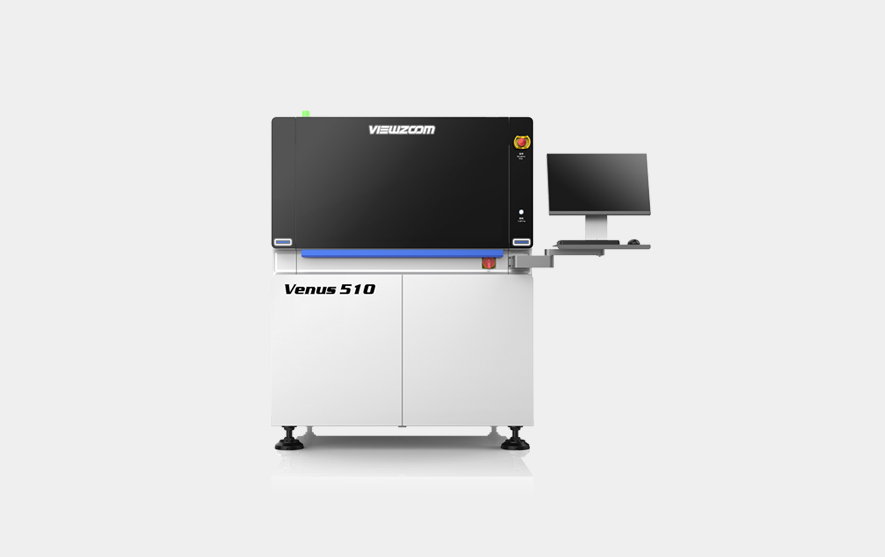
Use these configurations as starting points for an application review. Click a product card to read its specifications and options.
Confirm These Application Requirements
- Board size, component heights, finish and defect samples.
- Confirm 3D measurement coverage, optical access and agreed reject/review criteria.
- Use the dedicated SPI route for printed-paste measurement; specify another inspection method for hidden joints.
Plan Your SMT / PCBA Application
Share your drawings, materials and acceptance requirements with JCX. We can review the proposed process and equipment configuration around your application.