Home / Industry Solutions / Automotive Electronics / 3D AOI Inspection
3D AOI Inspection for Automotive Electronics
Height Mapping · SPC Traceability
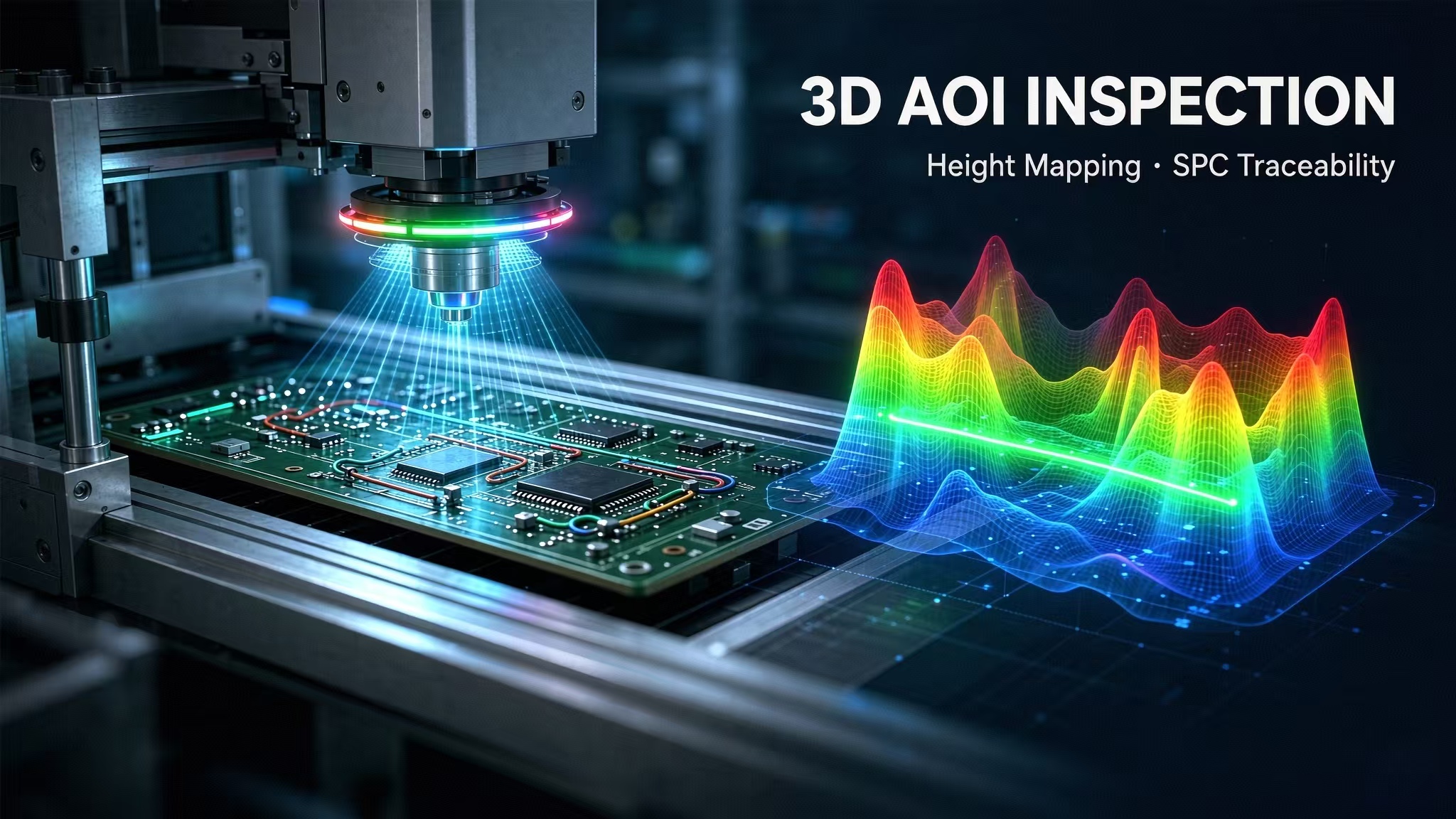
Automotive circuit boards combine compact components, demanding assembly requirements and a need for consistent production records. Three-dimensional automated optical inspection (3D AOI) adds height information to the visual inspection of accessible components and solder joints. For an automotive production line, the value lies in a defined inspection strategy: measure relevant features, identify deviations and connect each result to the board and process that produced it.
Height Mapping: From Images to Measurable Features
A height map represents the surface geometry of an inspected area. Combined with suitable imaging and inspection algorithms, it can help evaluate component position, coplanarity and visible solder-joint shape. The inspection program should identify which measurements matter for each component family and how the acceptable range is established.
Tall components, reflective surfaces and shadowed regions can affect optical access. Evaluate representative boards when choosing camera arrangements, measurement ranges and inspection recipes. Optical inspection does not reveal every hidden connection; concealed joints may require complementary inspection or electrical testing.
SPC: Turn Inspection Results Into Process Feedback
Statistical process control (SPC) uses measurements collected over time to distinguish routine variation from changes that merit investigation. Instead of relying only on an overall pass/fail count, production teams can review trends by feature, component, board revision or production batch.
A practical review process includes agreed sampling and data-retention rules, meaningful control limits and a clear response when a trend changes. An alert should lead to investigation of the relevant upstream process, followed by documented verification. This makes inspection information useful to process engineers as well as quality teams.
Traceability Across the Assembly Route
Define the relationship between board identity, inspection recipe, machine, timestamp and result before line integration. Where required, preserve defect images, measurement values and operator review decisions alongside the production record. The exact data fields and manufacturing execution system interface should be agreed for the selected equipment configuration.
Recipe changes and reinspection need their own controls. Retaining revision history helps distinguish an assembly issue from a changed acceptance rule, while linking repair and reinspection records gives reviewers a clearer picture of the final disposition.
A Practical Implementation Sequence
Start with the board drawing, component list and customer acceptance criteria. Identify the most important defect modes, then build and validate an inspection recipe using representative acceptable and defective samples. Review repeatability, false calls, cycle time and areas with restricted optical access before releasing the recipe to production.
During ramp-up, assign ownership for defect review and escalation. Revisit the recipe when the board design, component supplier or assembly process changes. The inspection plan should support production decisions without treating an optical pass as a substitute for the complete product validation plan.
What to Share With JCX
- PCB dimensions, panel layout, component heights and accessible inspection areas
- Priority defect modes, acceptance criteria and representative sample boards
- Required cycle time, board identification and production-data interface
- Rules for review, repair, reinspection and record retention
Equipment to Evaluate
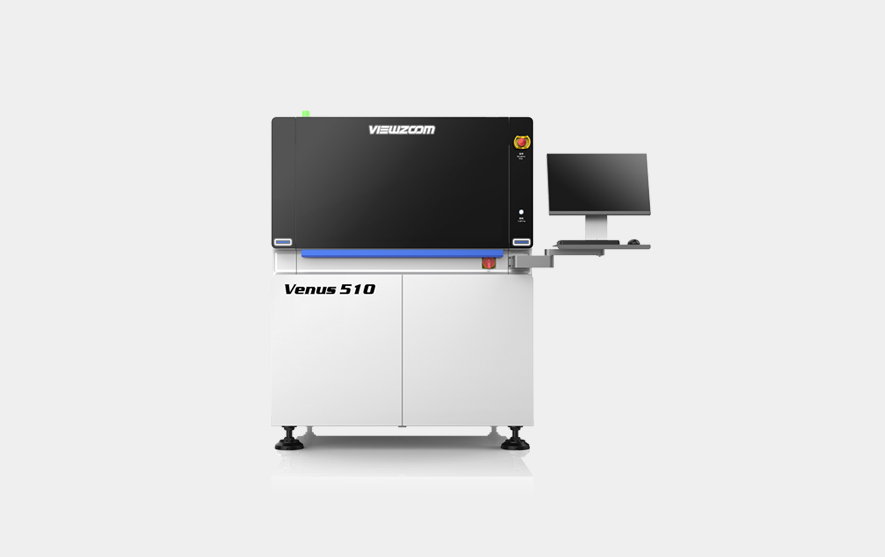
Use these configurations as starting points for an application review. Click a product card to read its specifications and options.
Confirm These Application Requirements
- Representative good and defective boards, component heights and visible joint locations.
- Camera configuration, programming and review criteria for the required defects.
- Board ID, image retention and MES/SPC interface scope, confirmed as part of the selected configuration.
Plan Your Automotive Application
Share your drawings, materials and acceptance requirements with JCX. We can review the proposed process and equipment configuration around your application.